A Unique Celebration of Life: Ghana’s Festive Funerals
•Posted on June 18 2024
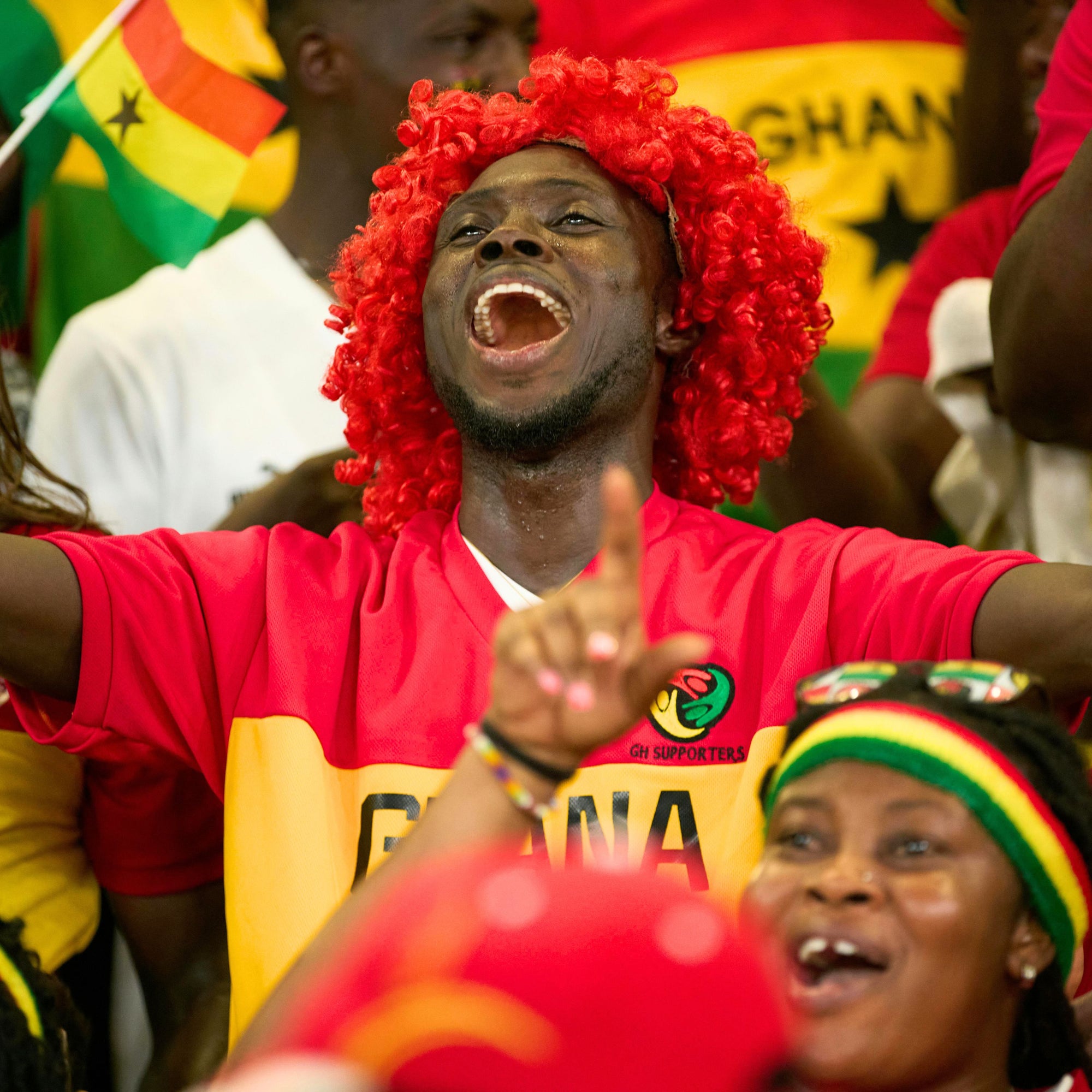
Funeral traditions have been an integral part of American culture for centuries. However, these customs differ considerably from those in other countries and cultures.
For instance, in Ghana—a country located in West Africa—bereaved families believe that their deceased loved ones should receive the most grand and dignified send-off possible. As a result, funerals in Ghana are often characterized by elaborate social events that showcase the country's rich cultural heritage.
In this post, we will explore the rich and meaningful customs, traditions, and strong sense of togetherness that form the foundation of Ghanaian celebrations of life and funeral ceremonies.
Celebration of Life Through Joyous Funerals
For centuries, Africa has been known for its rich and diverse cultural heritage, which is reflected in its people's unique customs and practices. When it comes to funerals, the continent boasts a vibrant and lively approach that sets it apart from the more somber and solemn rituals found in other parts of the world.
In Ghana, funerals are a remarkable example of their rich culture, providing a distinctive and colorful way to celebrate the life of a dear one who has passed away.
In contrast to the somber rituals often linked with death in many regions, African ethnic groups honor their loved ones with a sense of happiness, togetherness, and commemoration. When visiting a country like Ghana, a foreigner cannot fail to observe how lively and joyous the funerals are, complete with flags, clothing, and commemorative billboards for those who have passed away.
In many Western societies, it's a common practice to honor and mourn the deceased loved ones for a single day. However, the culture in Ghana is quite different. There, funerals are highly regarded as important social events. In certain regions, the ceremony can last for up to seven days and can attract thousands of people who dress in red and black robes and wear precious gold jewelry to pay their respects to the deceased.
The event is marked by a series of rituals, including prayers, traditional music, and dance performances, all of which commemorate the departed's life meaningfully.
Ghanaian’s Perspective on Death and The Afterlife
Diverse cultures around the world have varying beliefs and attitudes toward death and the afterlife. Recognizing and respecting these differences is essential to understanding the varied practices and traditions related to funerals, memorials, and other customs surrounding death.
In African societies, death is not considered solely an endpoint but a move towards the afterlife. Therefore, it is celebrated as a natural part of human existence. Ghanaians hold their village ancestors and departed loved ones in high regard as part of their culture. They strongly believe that these ancestors and the deceased are always around to protect them.
Celebrations of life in Ghana are unique compared to traditional funerals, as they are characterized by laughter, music, and joyful reminiscing. They demonstrate a belief in the continued existence of the spirit after physical death. Although hosting funerals in Ghana can be expensive, it is evident to outsiders that Ghanaians have a deep reverence for the deceased.
Read more in our blog, Honoring Life After Loss: What is The Difference Between A Funeral Service and Memorial Service?.
Grand Funeral Traditions
In Ghana, funerals are not only occasions for mourning the loss of a loved one but also for celebrating their life.
Ghanaians tend to celebrate rather than express sorrow during funerals. Funerals are hardly ever a somber occasion in this country, and they typically attract a large number of mourners, sometimes even reaching hundreds. Ghanaians believe in the phrase "the more, the merrier," and thus, funerals are held as a true celebration of life.
When a large number of individuals attend a funeral service, it signifies that the person who has passed away was a highly significant figure in the community. This could be due to their friendly and sociable nature or their investment of time and money in charitable work.
Funerals in our country are typically grand social gatherings where families often spend as much money as they do on other important events, such as weddings. These events aim to both celebrate the deceased's life and showcase the bereaved family's success, as an ostentatious funeral carries more social prestige than any other ceremony.
According to CNN, the average cost of a funeral in Ghana is $12,000 to $15,000, an amount that is equivalent to one year's income for an average Ghanaian.
Families take out large loans to arrange a funeral that is considered flawless in terms of its lavishness and the volume of participants. Others may contribute financially to the grieving family to assist with the costs and show their condolences.
The funds cover expenses such as food and drink, shaded seating, a disc, jockey or band, traditional drummers, brochures, posters, billboards, photographers, and videographers. The costs also include announcing funeral arrangements through huge, colorful posters or billboards valued at $600 to $3,000 each.

Music and Dance in Ghanaian Funerals
The tradition of celebrating life in Ghana involves music and dance, both of which are essential components. The lively rhythms and spirited performances uplift the spirits of all those present. The Ghanaian family, which spends a significant amount of money on funeral services, can host a celebration that feels more like a party than a funeral.
In Ghana, funerals are celebrated with great festivity. Musicians and dancing pallbearers are often hired to make the event even more lively. The music played during funeral celebrations is a mix of jazz, brass bands, and African rhythms. People often take photos of the attendees dancing and enjoying the celebration.
In Africa, there's a song and dance routine called the ring shout during burial ceremonies. This age-old conjure-rooted practice involves dancing in a circle, chorus singing, percussion, and hand clapping. The ring shout allows mourners to maintain close rhythmic contact by moving together in a circle.
The act of ring shouting brought happiness to those who joined in, even in times of sadness. It is thought that the ring shout allowed mourners to connect with their ancestors and was seen as a ceremony that could open a doorway for shared mourning and festivity.
At funerals for men, a traditional war dance may be performed to guide the deceased into the ancestral world.
Funeral celebrations are limited to the dry season in northern Ghana. If someone dies during the rainy season, they are quietly buried, and the festivities are postponed until the dry season. During the dry season, funerals are accompanied by loudspeakers that play lively music, typically techno, which the locals greatly enjoy.
Ghanaian funerals hold great significance and are steeped in symbolism. Offerings are given to honor the spirits of their ancestors, and traditional dancing and drumming are performed to accompany the departed on their journey to the afterlife. The talking drums used in the ceremony not only provide entertainment but also convey stories through actual words, much like a musical eulogy. The rhythm of the drums narrates ancient tales about death and the journey to the afterlife, while the drummers ensure that the dancing continues non-stop, day and night.
Funerals are frequently held on weekends, with Saturdays being the most common day. As a result, many towns have multiple funerals each week. Those who are mourning may travel to other towns or villages, and the bereaved families offer them food, drinks, music, and dance. In northern Ghana, pitto is a popular alcoholic beverage made from millet and often served during funeral celebrations.

Fantasy Coffins and Diverse Burial Rites
In southern Ghana, customized coffins have gained significant importance. In Accra, the capital city of the country, coffin carvers charge as much as 2500 cedis for caskets in various shapes, such as a Coca-Cola bottle or a Mercedes-Benz.
These caskets, also called adebuu adekai or ‘fantasy coffins,” are often intricate and brightly colored. These are personalized sarcophagi designed to represent a significant aspect of the person's life. These ornate coffins are created to depict a significant part of the deceased's life and could include symbolic representations of their profession, status, treasured possessions, or aspirations. In the past, journalists Fellipe Abreu and Henrique Hedler visited two Kane Kwei Carpentry Workshops - one in the capital city of Accra and the other in the southern city of Kumasi - to meet the carpenters who crafted custom-made coffins.
The airplane is a highly favored design for fantasy coffins, representing the departed's voyage to the afterlife. In rural parts of Ghana, where cocoa is one of the largest exports, families save their hard-earned money to bury their loved ones in tailor-made cocoa pods.
At times, the expensive cost of personalized coffins compels community members to contribute towards their production.
Funeral customs vary among different ethnic groups in Ghana. The Upper East Region is known for its distinct burial traditions. According to a report by The Guardian, the deceased is wrapped in a mat and carried by men who compete for the honor. Along the way to the burial site or cemetery, the procession makes stops at places that hold significance to the deceased.
Despite their differences, both groups in northern and southern Ghana hold death and the afterlife in high regard and turn their final farewells to loved ones into timeless celebrations of life.
Customs and Traditions
Guests or community members who attend a Ghanaian funeral are expected to dress formally in black and white. The black-and-white dress code is to express gratitude to God and mark the end of the initial mourning period.
In the Ashanti culture, certain customs and traditions are followed during the mourning period. One of these customs is that the deceased's immediate family members can be identified by their attire, which is typically red and black.
Read more in our blog, What To Wear To A Memorial Service, Other Than Black? Attire Tips and Choosing the Perfect Memorial Keepsake.

On the other hand, the chieftains and other high-ranking officials wear traditional garb and sit under elaborate umbrellas to observe the ceremonies and festivities. These customs and traditions have been a part of the Ashanti culture for many generations and are still followed today to pay respect and honor to the deceased and their families.
The son of the departed frequently wore head coverings made of net material adorned with tiny ladders, red peppers, and eggshells. The red peppers represent the gravity of the event, and the eggshells convey the emotions of sorrow and helplessness felt by those wearing them.
The commemoration of the deceased can resemble a festivity, with neighbors and visitors possibly purchasing food and drinks from vendors stationed on the streets. It is believed that the deceased has not yet been united with their ancestral spirits until the celebration has taken place.
Ghanaian Funeral Etiquette
Funerals are a centerpiece of social life in Ghana due to the country's high regard for the deceased. Typically, before the celebration of life commences, a funeral ceremony is held, often featuring religious blessings and tribute speeches.
In some cases, families may choose to hire mourners to cry at the funeral as a sign of respect for the departed loved one. Additionally, service conductors, usually elders, are important in praying for the deceased during the ceremony.
Knowing funeral etiquette is crucial if you are attending a Ghanaian funeral. This involves being mindful of what to wear, what kind of gift to bring, and the general atmosphere at a Ghanaian funeral.
The mood of a Ghanaian funeral can alternate between somber and joyful. Guests should be mindful of the family's religious and spiritual beliefs, whether Christian, Islamic, indigenous, or something else.
A ritual bath is often performed before the celebration. This bath represents renewal and purification, and it prepares both the living and the departed for the journey that lies ahead.
Bringing families together to embrace through handshakes, hugs, and mourning in close proximity is also a crucial aspect of funerals. In several Ghanaian tribes, it is a long-standing tradition to shake hands with the deceased's family. This act of respect has been incorporated into ceremonies and is considered mandatory.
In addition to funerals, Ghanaians also honor the deceased on their death anniversaries. The primary observance occurs one week after the person passes away. During the week following the death, the family will prepare and keep the body before burial.
After a week, the family commemorates the day and remembers the departed's life. However, the one-week celebration is less elaborate than the funeral, which takes place several weeks later.
What to Bring to Ghanaian Funerals
In Ghanaian culture, funerals are grand and elaborate, expensive ceremonies. To help cover the costs associated with these events, there is typically a designated area where mourners can make donations. These donations can be a significant help to the family during a difficult time.
At the start of a Ghanaian funeral, there is usually a formal announcement of the person's passing. During this announcement, the family may request specific gifts or offerings from the mourners. Some traditional offerings can include flowers, money, or other tokens of sympathy.
In modern times, friends of the bereaved family may bring memorial keepsakes to help support the grieving family as they cope with their loss. These keepsakes can include items such as keepsake boxes, photo frames, and affirmation cards. By offering these thoughtful gifts, friends can show their support and offer comfort during a difficult time.
The Power of Comfort Cards in Times of Loss
When someone dear to us passes away, it can be a difficult time for those who are left behind. While mourning and grief are natural and essential parts of the healing process, it can also help to have tangible reminders of love and support during this challenging time.
One way to offer comfort and solace to grieving people is through the use of comfort cards. These cards are often adorned with uplifting messages and images designed to remind the bereaved of the love and support they have around them.
By bringing comfort cards to a funeral or memorial service, guests can offer a physical representation of the connection and celebration of the life and passions of the departed. These cards can serve as a powerful symbol of hope and encouragement for those who are mourning, offering a reminder that they are not alone in their grief.
Read more in our blog, What are Grief Affirmation Cards - also known as Comfort Cards for loss?.

Critique Surrounding Ghanaian Funerals
The African way of celebrating life is important to many, but it can also be met with criticism. Some people question the appropriateness of joyous festivities during times of loss and grief, while others are concerned about the seemingly excessive spending.
In Ghanaian society, there is strong social pressure to hold an impressive funeral. Despite tribal chiefs' efforts to curb costs, such as prohibiting all-night wakes and limiting the number of drummers, these pleas have not been heeded. With refrigerated morgues now available, the length of time a body stays in storage has become an indicator of a family's wealth. The cost of storing a body is 400 cedis per month.
The burden of financing funerals has become so high that people have started taking out bank loans, resulting in new insurance policies. Funeral coverage has become a major source of business for the country's biggest insurers. Some people criticize Ghanaians for investing more in the dead than in the living.
Apart from this, fantasy coffins may seem strange to some people and fail to evoke the solemnity typically associated with funerals in the Western world. However, it is important to remember that there is no universal language for grief and death, and these traditions in Africa, although unusual, should be respected.
Celebrating Life and Sense of Community
Africans have a unique way of celebrating the lives of their deceased loved ones, which may seem strange to others. However, these customs must be respected because they are an essential part of their heritage.
Their celebrations of life serve as powerful reminders of the strength of the human spirit, showing us that even in the face of loss, there is still an opportunity to find joy in the memories, love, and connections we share with the departed.
One of this tradition's most remarkable aspects is its sense of community. Friends and family members come together during this time to offer each other support, play music, sing, dance, and honor the life of their loved one. It's a beautiful manifestation of togetherness and solidarity, reminding us that we are not alone in our grief and that we can find comfort and healing in the company of others.
FAQs
1. What is the significance of celebrating life in African cultures?
In African cultures, celebrating life is considered very important because it is seen as a natural part of human existence. Death is not viewed as an endpoint but rather a transition to the afterlife, which is celebrated as a continuation of life in a different form. This belief in the continuity of life is reflected in the vibrant and lively approach that African ethnic groups take towards funerals. Celebrations of life are marked by happiness and togetherness.
2. How do comfort cards help in the grieving process?
Comfort cards can be helpful in the healing process for both the bereaved. These cards are designed to provide comfort, support, and encouragement to those who are going through a difficult time. They often include thoughtful messages to uplift the bereaved’s spirits and remind them that they are not alone in their grief. By sending comfort cards, loved ones can show their support and let the person know that they are there for them through this difficult time. Additionally, receiving these cards can provide comfort and validation for the grieving person, as they see that others care about their well-being. Overall, comfort cards can be a simple yet effective way to help someone through the grieving process.
3. Are there any criticisms of the celebration of life traditions?
One criticism of celebrating life traditions is that they may be seen as inappropriate or disrespectful to some people who prefer a more solemn or traditional approach to mourning. Some may feel that the focus on celebrating the life of the deceased may diminish the gravity of their passing or seem insensitive to those who are still grieving deeply. Additionally, some may argue that the pressure to create a unique and memorable celebration can be overwhelming for the bereaved family members, adding to their stress during an already difficult time. However, it's important to acknowledge that everyone grieves differently, and there is no one "right" way to mourn the loss of a loved one.
4. What is the significance of gifts in celebrations of life?
Gifts serve as a representation of the deceased person's life and interests, which helps to create a feeling of unity and festivity among the attendees. In addition to tangible gifts, friends of the bereaved may also provide donations to help cover the expenses of the funeral service or celebration of life.
5. How do celebrations of life contribute to the sense of community?
Celebrations of life are an essential part of building a sense of community. Such events bring people together, allowing them to strengthen their connections and build new relationships. Celebrations of life can be religious or secular. Still, they all serve the same purpose - to commemorate an important event or milestone and bring people together to share in the joy and happiness of the occasion. By celebrating together, people can develop a stronger sense of belonging and a deeper appreciation for their community.
References:
-
CNN, Zaina Adamu. “Ghana’s Lavish Funerals Can Last up to Seven Days. Now, a Centuries-Old Tradition Has Gone Online.” CNN, 6 Apr. 2020, edition.cnn.com/2020/04/08/world/africa/ghana-burial-traditions-intl/index.html.
-
“Funerals in Ghana.” Www.coeurdexocolat.com, www.coeurdexocolat.com/funerals-in-ghana.
-
“Ghana’s Red-Hot Funerals: Buried in a Chilli Pepper.” Www.bbc.com, 26 Nov. 2018, www.bbc.com/news/world-africa-46142977.
-
Gire, James. “How Death Imitates Life: Cultural Influences on Conceptions of Death and Dying.” Online Readings in Psychology and Culture, vol. 6, no. 2, 1 Dec. 2014, https://doi.org/10.9707/2307-0919.1120.
-
Goldade, Jenny. “Cultural Spotlight: Ghanaian Funeral Traditions.” Frazer Consultants, 7 Apr. 2017, www.frazerconsultants.com/2017/04/cultural-spotlight-ghanaian-funeral-traditions/.
-
“In Black Communities, Homegoing Rituals Honor the Dead and the Living through a Blend of African and Christian Traditions» Evermore.” Evermore, 31 Jan. 2023, evermore.org/in-black-communities-homegoing-rituals-honor-the-dead-and-the-living-through-a-blend-of-african-and-christian-traditions/.
-
Newton, Paula. “The Long Goodbye: Why Funerals Are Big Deals in Ghana.” CNN, 12 Mar. 2014, edition.cnn.com/2014/03/11/world/africa/on-the-road-ghana-funerals/index.html.
-
Pannecoucke, Kris . ““Reggae, Hip-Hop and a Lot of Humour”: The Ghanaian Funeral Troubadour’s Joyful Soundtrack for the Dead.” The Guardian, 16 Oct. 2023, www.theguardian.com/global-development/gallery/2023/oct/16/funeral-songs-the-musician-providing-a-soundtrack-for-the-dead-in-north-east-ghana. Accessed 8 Mar. 2024.
-
“Washingtonpost.com: African Lives.” www.washingtonpost.com, 22 Dec. 1997, www.washingtonpost.com/wp-srv/inatl/longterm/africanlives/ghana/ghana.htm.
Comments
0 Comments
Leave a Comment